
Kathmandu isn’t a city you rush through. Most travelers land here on their way to a trek, spend a night or two, and only see the airport road and a hotel lobby. That’s a mistake. The Kathmandu Valley holds seven UNESCO World Heritage Sites in one relatively compact area, along with a old-town energy that’s worth slowing down for, whether you’re heading to the mountains after or flying home from here.
Below are the places actually worth your time, based on what’s genuinely close together, genuinely worth the entry fee, and genuinely different from each other, not just a copy-pasted list of every temple in the valley.
Kathmandu Durbar Square
Start here. Kathmandu Durbar Square is the old royal palace complex right in the heart of the city, packed with pagoda-style temples, carved wooden windows, and courtyards that once hosted coronations. It’s also home to the Kumari Ghar, where a young girl selected as the living goddess Kumari occasionally appears at a window above the courtyard. Part of the square was damaged in the 2015 earthquake and has since been rebuilt, so you’ll see a mix of centuries-old structures and newer reconstruction work standing side by side.
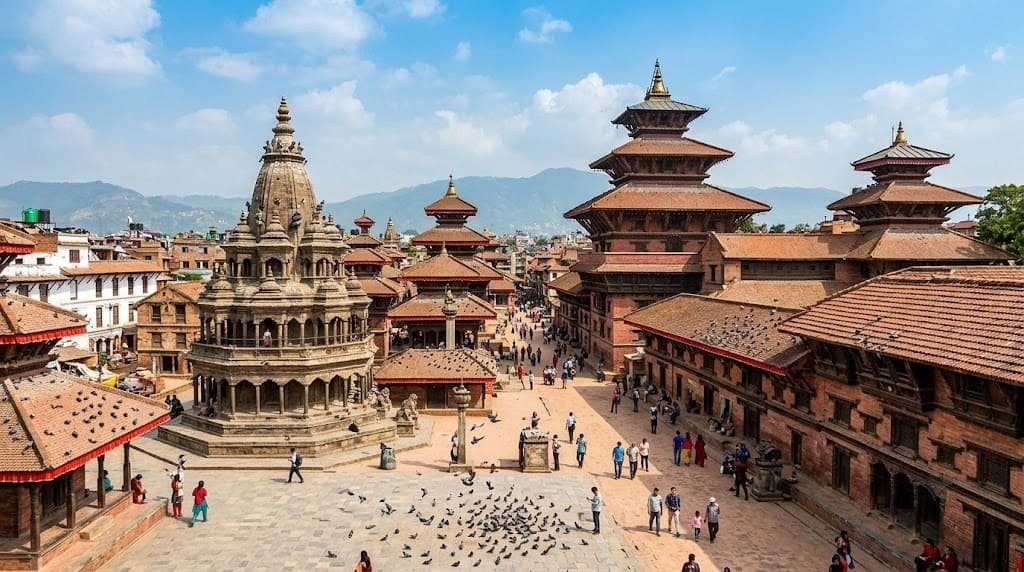
Give yourself at least an hour here, more if you enjoy architecture or want a local guide to explain the carvings.
Swayambhunath (the Monkey Temple)
Perched on a hilltop on the western edge of the city, Swayambhunath is one of the oldest religious sites in the valley, and the Buddha’s painted eyes watching out from the central stupa are probably the single most recognizable image of Kathmandu. Getting up there means climbing a long stone staircase (or taking the vehicle road around the back if you’d rather skip the stairs), and yes, there are monkeys, hence the nickname.
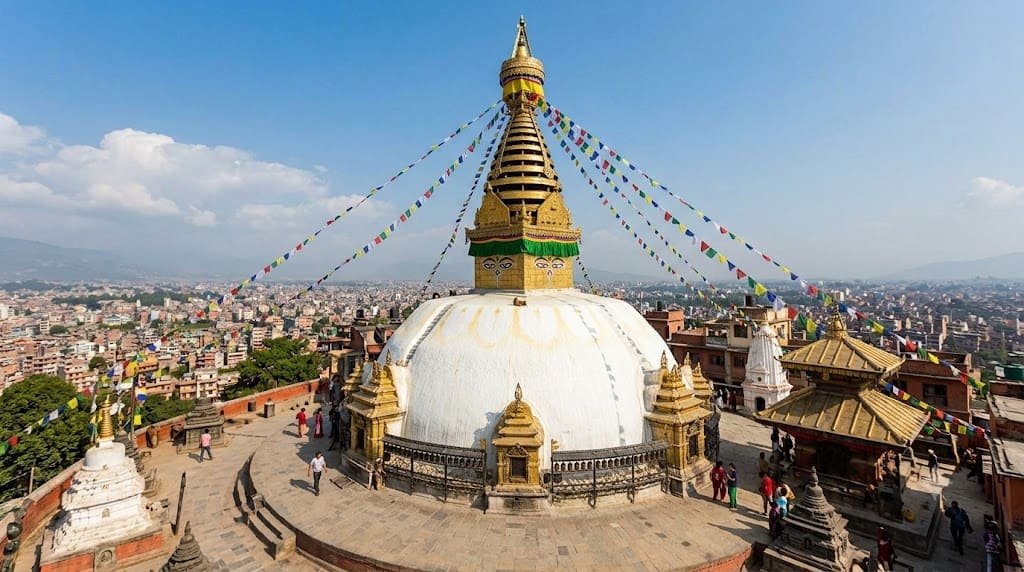
The real draw isn’t just the stupa itself but the view from the top: the whole Kathmandu Valley spread out below, especially striking near sunset.
Boudhanath Stupa
A short drive from central Kathmandu, Boudhanath is one of the largest stupas in Asia and the spiritual center for Kathmandu’s Tibetan Buddhist community. Walking the circular path (clockwise, as tradition goes) among monks, pilgrims, and spinning prayer wheels while incense drifts through the air is a genuinely different pace from the rest of the city. The streets ringing the stupa are lined with monasteries, thangka painting shops, and rooftop cafes where you can look straight down onto the stupa itself.
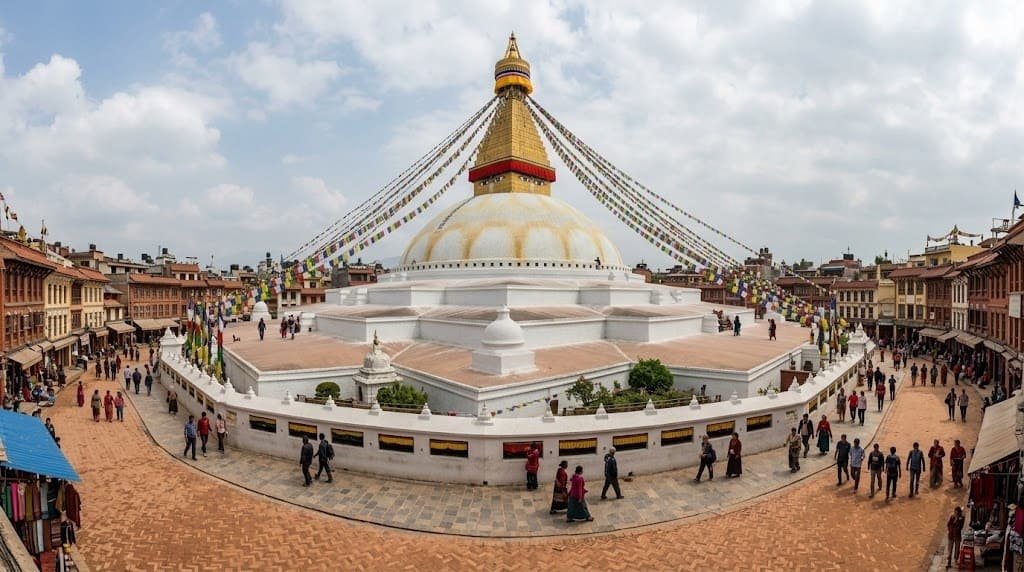
Try to visit around early morning or dusk when the butter lamps are lit and the site feels the most alive.
Pashupatinath Temple
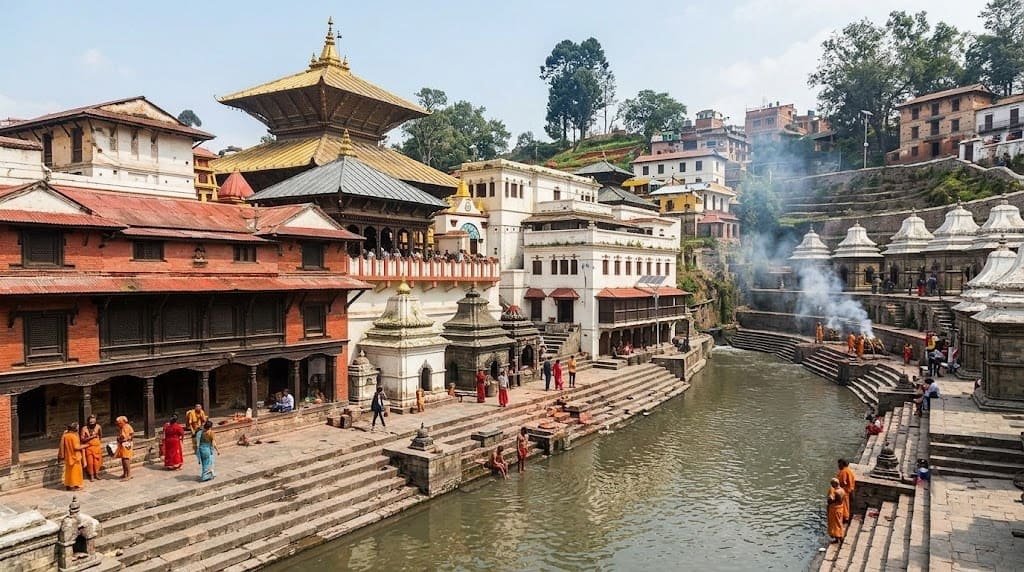
Pashupatinath is one of the holiest Hindu temples in the world dedicated to Lord Shiva, and it sits on the banks of the Bagmati River. Non-Hindus can’t enter the main temple itself, but you can view it from across the river and walk through the wider temple complex, which includes cremation ghats still in active use. It’s not a light visit; this is a real, working religious site, not a museum, so go with that in mind and dress and behave respectfully.
Patan Durbar Square
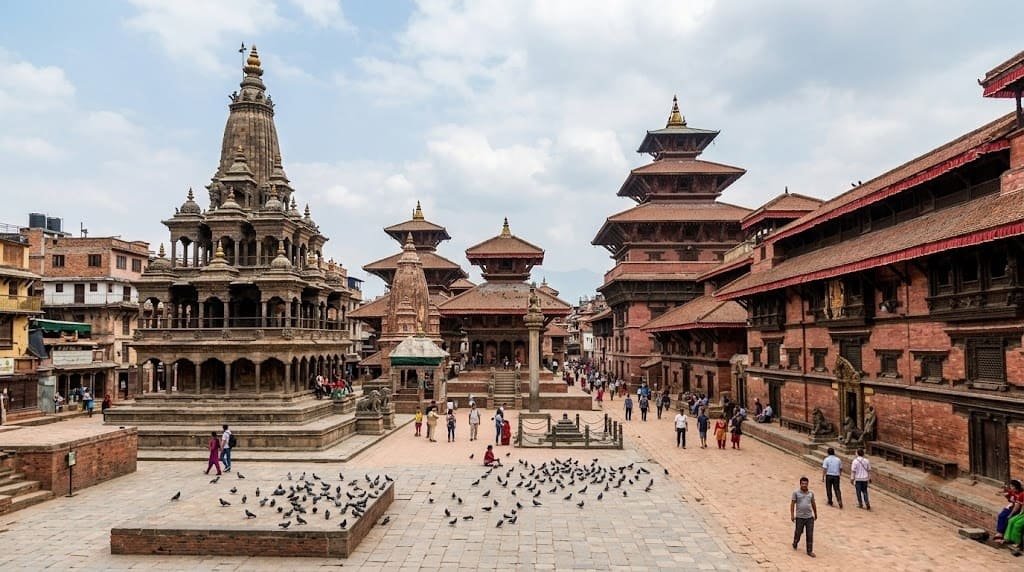
Just across the Bagmati River in Lalitpur, Patan Durbar Square is arguably the most architecturally impressive of the valley’s three durbar squares, with tighter, more ornate stonework and a genuinely excellent museum inside the old palace. It’s also less crowded than Kathmandu’s own Durbar Square, which makes it a better spot for actually taking your time and looking closely at the carvings instead of dodging crowds.
Garden of Dreams
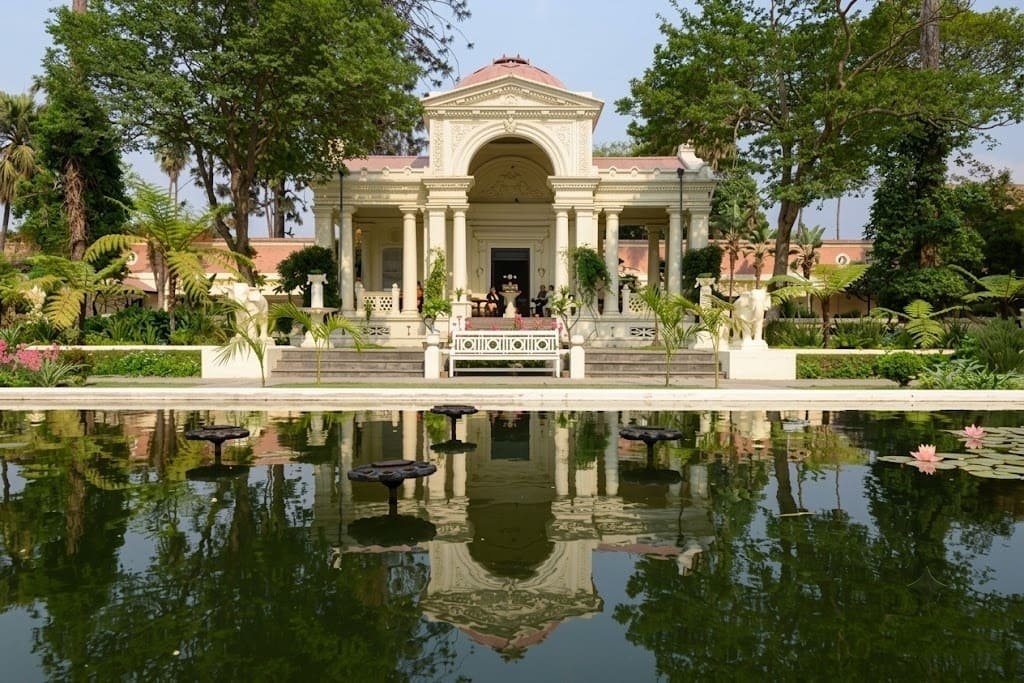
Right beside Thamel, the Garden of Dreams is a restored neoclassical garden with fountains, pavilions, and quiet shaded benches, built in the 1920s as a private garden for a Nepali aristocrat. After a morning of temples and traffic, it’s a genuinely good place to sit down, get a coffee at the on-site cafe, and just stop moving for half an hour.
Thamel: The Heart of Kathmandu’s Tourist Scene
No list of places to visit in Kathmandu is complete without Thamel, the tightly packed tourist and backpacker district that most travelers end up staying in anyway. Thamel Marg, the main street, is strung with prayer flags overhead and lined with trekking gear shops, souvenir stalls, bookstores, and restaurants serving everything from momos to wood-fired pizza. It’s chaotic in the best way: street vendors, live music bars, and a genuinely useful cluster of travel agencies and gear shops if you’re prepping for a trek.
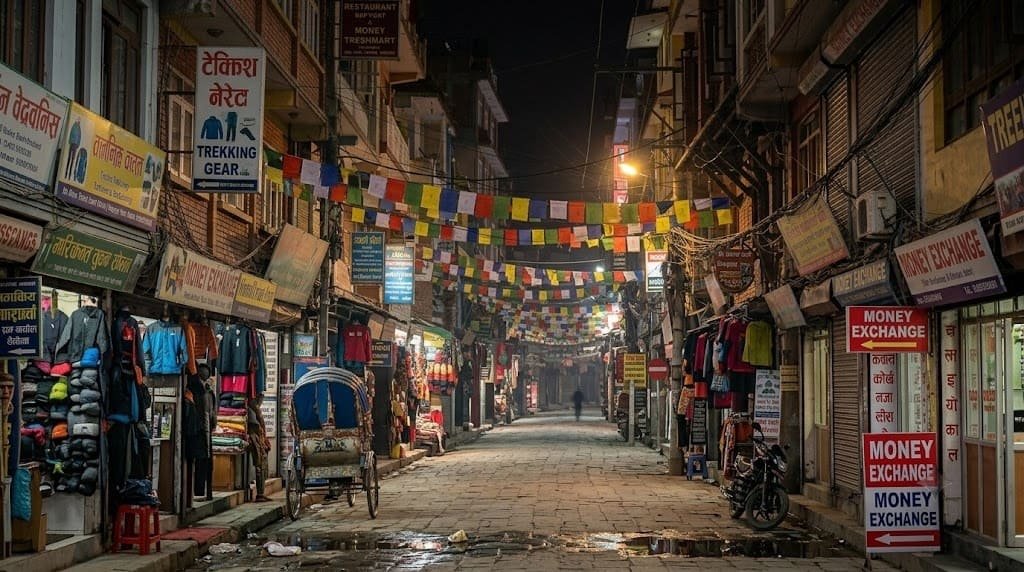
Thamel isn’t a single attraction so much as a base. Most people use it to sort out permits, rent or buy last-minute gear, and eat well before or after heading into the mountains, and it’s genuinely one of the more walkable, browsable neighborhoods in the city even if you’re not shopping for anything specific.
Planning Your Time in Kathmandu
Durbar Square, Swayambhunath, and Thamel are close enough together that you can realistically cover all three in a single day if you start early. Boudhanath and Pashupatinath sit closer to each other on the other side of the city and pair well as a half-day loop. Patan is its own short trip across the river and worth a slower morning rather than squeezing it in at the end of a long day.
If you’re using Kathmandu as your base before heading out to the mountains, it’s worth browsing current Nepal tour packages or checking hotel options in Thamel so your sightseeing days and your trek prep don’t end up competing for the same time. And if the valley leaves you wanting more, the full range of Nepal packages covers everything from short valley tours to multi-week treks starting right from the city.
FAQ
How many days do you need to see Kathmandu? Two to four days is enough to cover the main sights comfortably. Durbar Square, Swayambhunath, and Thamel can be done in a single day if you start early, while Boudhanath and Pashupatinath pair well as a half-day loop. Add a day for Patan or a side trip to Bhaktapur if you have more time.
What is the best time to visit Kathmandu? September to November and March to May are the most popular months, with clear skies and comfortable temperatures. June to August brings the monsoon, and December to February is cooler and drier but can be hazy.
Is Thamel worth staying in? Yes, for most travelers. Thamel is central, walkable, and close to Durbar Square and the Garden of Dreams, with the widest range of hotels, restaurants, and trekking shops in the city. It’s busy and touristy, so if you’d rather stay somewhere quieter, areas like Patan or Boudha are calmer alternatives within a short taxi ride.
Can non-Hindus enter Pashupatinath Temple? Non-Hindus cannot enter the main temple building, but the wider temple complex and the cremation ghats along the Bagmati River are open to visitors. You can view the main temple from across the river.
Is there an entry fee for Kathmandu Durbar Square? Yes. As of 2026, foreign visitors pay around NPR 1,000, which also covers entry to the museum inside the old palace. Nepali citizens enter free, and SAARC nationals pay a reduced rate. Fees are separate for Bhaktapur and Patan Durbar Squares if you plan to visit those too.