
Nepal has over 100 mapped trekking trails. Most people agonise for months trying to pick one. This guide cuts straight to the five that actually matter — compared honestly, so you can choose the right trail for your fitness level, timeline, and what you’re hoping to feel at the end of it.
Let’s be clear about something first: there’s no bad trek in Nepal. Even a three-day walk in the Annapurna foothills will reshape how you think about mountains. But the difference between choosing the right trail and the wrong one? That’s the difference between a life experience and two weeks of suffering at altitude while wishing you’d trained more.
Quick Comparison: Nepal's Top 5 Trekking Trails
| Trek | Popularity | Difficulty | Signature Experience | Best For |
|---|---|---|---|---|
| Everest Base Camp | Extremely High | Strenuous | Kala Patthar sunrise & standing at the foot of the world’s tallest peak | Bucket-list adventurers |
| Annapurna Circuit | High | Strenuous | Crossing Thorong La Pass & witnessing massive ecological transitions | Landscape & variety lovers |
| Annapurna Base Camp | High | Moderate | The 360° mountain amphitheatre at the sanctuary base | Shorter timelines (<10 days) |
| Manaslu Circuit | Medium (Trending) | Strenuous | Pristine Tibetan culture & untouched mountain vistas | Off-the-beaten-path hikers |
| Mardi Himal | Medium (Fast Growth) | Easy–Moderate | Getting incredibly close to Machapuchare (Fishtail) in just 5 days | Beginners & photographers |
The 5 Best Treks in Nepal — In Detail
Trek 01
Everest Base Camp Trek
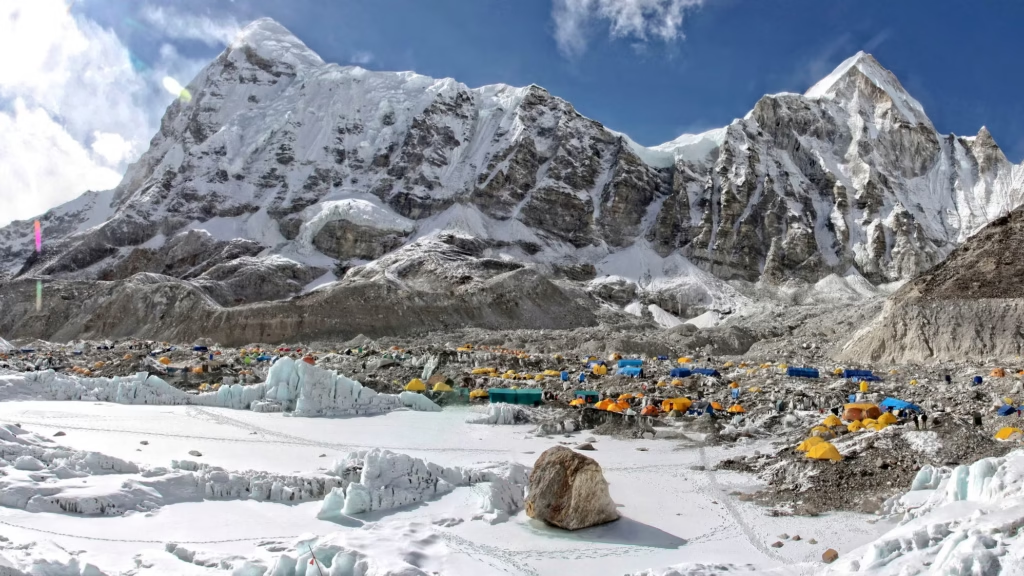
The Everest Base Camp trek is the most famous walk on earth. Tens of thousands of trekkers fly into Lukla’s nerve-wracking 527-metre runway every year, then spend roughly two weeks climbing through the Khumbu region past Namche Bazaar, Tengboche Monastery, and the haunting Khumbu Glacier to stand at 5,364 metres — the literal foot of Mount Everest.
Here’s what most guides don’t tell you: the base camp itself is not the highlight. Kala Patthar, a 5,545m viewpoint an hour above camp, is where people cry. The pre-dawn climb in minus temperatures, then that first crack of orange light spreading over Everest’s south face — it’s genuinely hard to prepare for emotionally.
Advantages: Unmatched name recognition, excellent teahouse infrastructure, strong Sherpa cultural immersion, and the most well-maintained trail in Nepal. Honest downside: It’s crowded in peak season (October–November, March–May), altitude sickness is a real risk above 4,000m, and the trail scenery repeats on the way back since it’s out-and-back.
Trek 02
Annapurna Circuit Trek
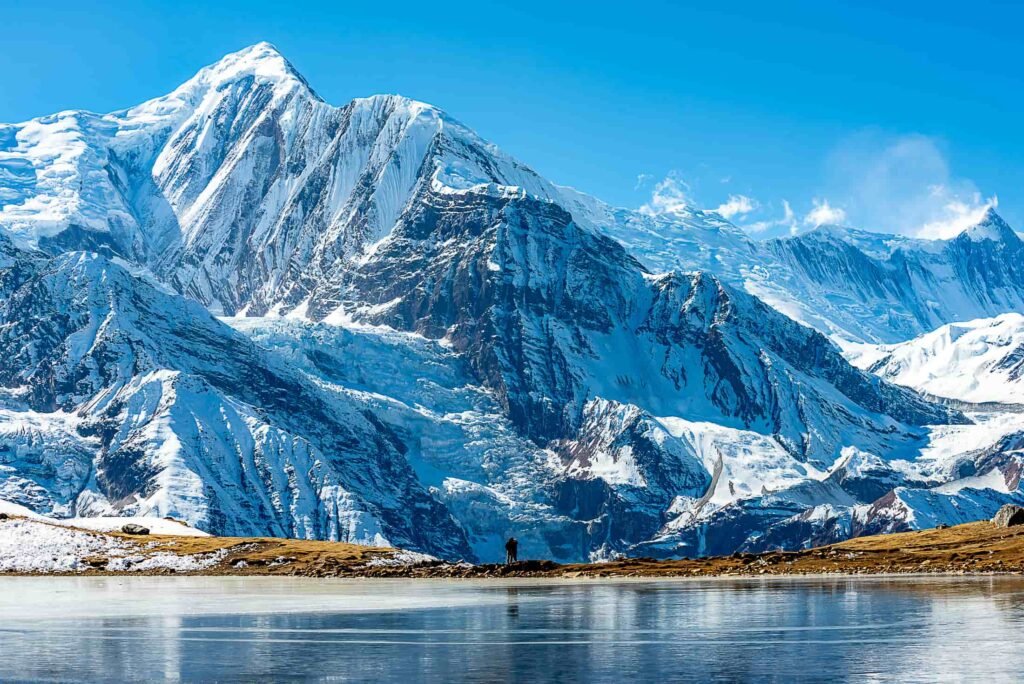
The Annapurna Circuit is, in many people’s view, the more rewarding long trek. You circumnavigate the entire Annapurna massif — and over 12–21 days, the landscape does something remarkable: it transforms completely. You start in subtropical jungle with rice paddies and waterfalls, push up through pine forests and rhododendron groves, cross the brutal 5,416m Thorong La Pass (the highest in the Annapurna region), and descend into the stark rain-shadow terrain of Mustang.
That ecological transition is the trek’s signature. One day you’re sweating past bougainvillea. A week later you’re wrapped in every layer you packed, fighting wind at altitude. It’s two entirely different worlds stitched into one route.
Advantages: Extraordinary diversity of terrain and culture, longer so you settle into a real rhythm, and the Thorong La crossing is genuinely thrilling. Honest downside: Road construction has shortened some sections, and the lower portions now walk alongside jeep tracks in places. Start from Dharapani if you want to skip the duller road-walking stretches.
Trek 03
Annapurna Base Camp Trek
If you’ve got under 10 days or you’re unsure about your fitness, Annapurna Base Camp is probably your best choice for a Nepal trekking trip. It’s shorter, lower, and more forgiving than EBC — but the payoff at the sanctuary basin is genuinely world-class.
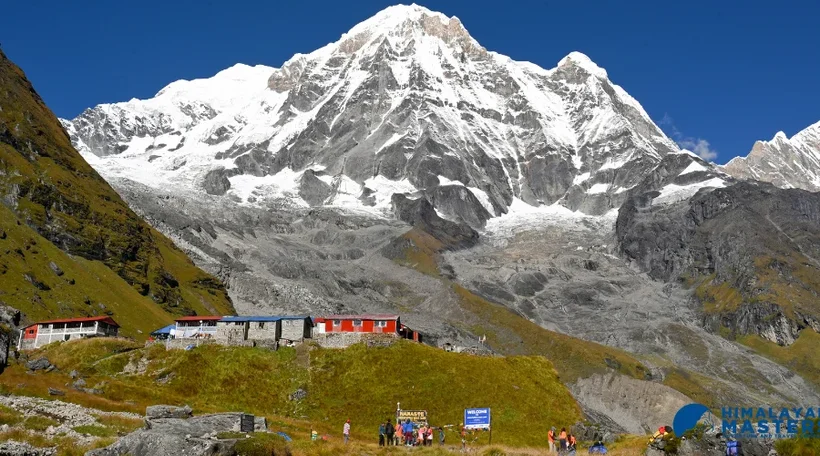
You walk through Modi Khola gorge, which narrows dramatically as you gain elevation, and then the valley opens into a 360-degree amphitheatre of peaks: Annapurna I (8,091m), Annapurna South, Hiunchuli, Gangapurna, and the sacred Machapuchare (Fishtail) all surrounding you. There’s nothing between you and those peaks. It feels like standing inside a snow globe.
Advantages: Accessible from Pokhara, moderate altitude reduces acclimatisation stress, great for trekkers who want a high-reward experience without two weeks on the trail. Honest downside: It’s an out-and-back route, so you retrace a lot of steps. Combine it with the Ghorepani Poon Hill loop for more variety.
Trek 04
Manaslu Circuit Trek
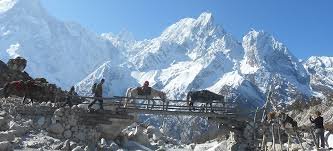
Manaslu is what the Annapurna Circuit used to be before it became famous. Remote, culturally rich, and — because it requires a restricted area permit that must be arranged through a registered agency — it self-selects for serious trekkers.
You circle Manaslu (8,163m, the world’s eighth-highest peak) through Buddhist villages that see relatively few outside visitors. The gompa (monastery) culture here is genuinely Tibetan — prayer flags, mani walls, incense — and it hasn’t been performatively preserved for tourism. It’s just how people live.
Advantages: Less crowded than EBC or Annapurna, raw cultural immersion, spectacular high-altitude scenery, and the restricted permit system keeps it that way. Honest downside: More expensive due to mandatory guide requirement, higher logistics complexity, and the Larkya La crossing (5,160m) demands solid acclimatisation.
Trek 05
Mardi Himal Trek
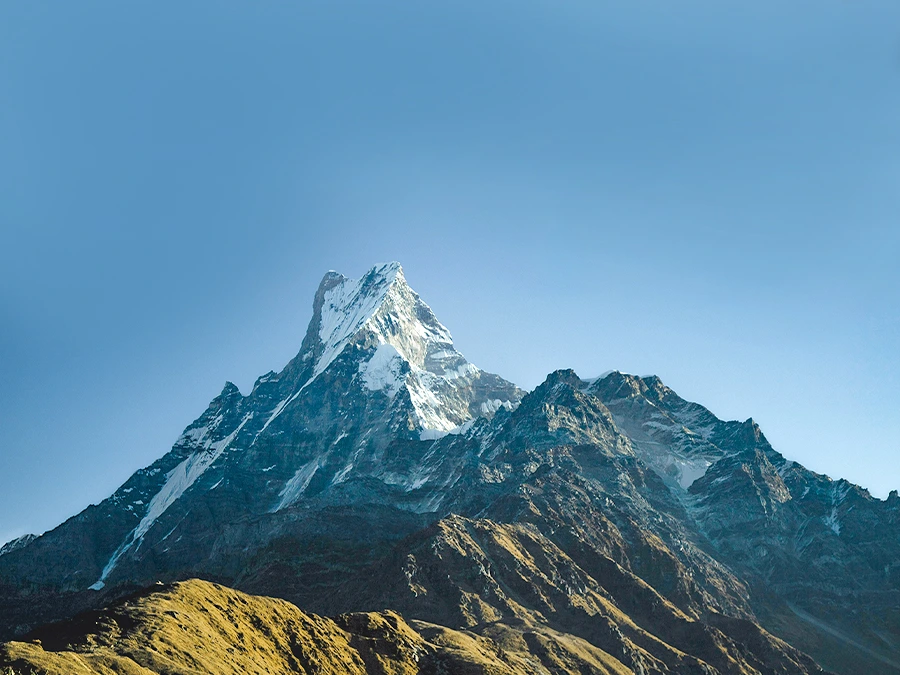
Mardi Himal is the quiet achiever. It’s been growing steadily in popularity for good reason: you get extraordinarily close to Machapuchare (Fishtail Mountain), one of the most photogenic peaks in the Himalayas, in just five days. And because it branches off the main Annapurna trail into a ridge system, it stays genuinely quiet even when ABC is packed.
For first-time trekkers in Nepal, this is probably the right call. The altitude is manageable, the teahouse infrastructure is solid, and the ridge walk between Low Camp and High Camp offers some of the most dramatic close-up mountain views in the entire country — without the acclimatisation stress of a 5,000m pass.
Advantages: Short enough for tight schedules, great for photography, excellent bang-for-buck in terms of views per effort. Honest downside: It’s a relatively new trail, so teahouse availability is more limited than on classic routes. Book ahead in peak season.
Why Trekking in Nepal Is Unlike Anywhere Else
People ask whether Nepal is “worth it” compared to Patagonia or the Alps. It’s a fair question. Here’s the honest answer: Nepal has a specific combination of factors that no other destination matches.
✅ Key Advantages of Trekking in Nepal
- Altitude accessibility: You can walk to 5,000m+ without technical climbing skills. Nowhere else offers this.
- Teahouse infrastructure: You carry almost nothing — accommodation and meals are available every few hours on major trails.
- Cultural depth: Sherpa, Gurung, Tamang, and Tibetan-influenced communities live alongside the trails. The trek is as much a cultural journey as a physical one.
- Cost efficiency: Daily teahouse costs of USD 15–40 (including meals) make Nepal one of the most affordable high-altitude trekking destinations on earth.
- Route variety: From 5-day beginner trails to 3-week expeditions — there’s something for every fitness level and timeline.
- Best seasons are genuinely good: Spring (March–May) and autumn (September–November) deliver reliably clear skies, stable temperatures, and the kind of visibility that makes the effort feel justified.
“Nepal doesn’t just offer mountains — it offers mountains at a scale that realigns your sense of what’s possible.”
Practical Tips Before You Go
Permits You’ll Need
Every major trek in Nepal requires at minimum a TIMS card (Trekkers’ Information Management System, around USD 10–20) plus the relevant conservation area or national park permit. For the Everest region, that’s the Sagarmatha National Park permit (USD 30). For Annapurna trails, it’s the ACAP permit (NPR 3,000, roughly USD 25). The Manaslu Circuit requires an additional restricted area permit, which costs USD 100 per person per week during peak season and must be arranged through a registered agency.
Do You Need a Guide?
Yes-No exceptions. As of 2026, Nepal strictly enforces its “No Guide, No Trek” policy across all major national parks and conservation areas, effectively ending independent solo trekking. You are legally required to hire a government-licensed guide through a registered agency. Checkpoints now use digital scanners to verify guide credentials.
Good news for solo travelers: A March 2026 update now allows a single trekker to obtain Restricted Area Permits (like Manaslu) without needing a second tourist partner, though hiring a licensed local guide remains mandatory. Budget around USD 25–35 per day for a quality licensed guide.
Fitness Preparation
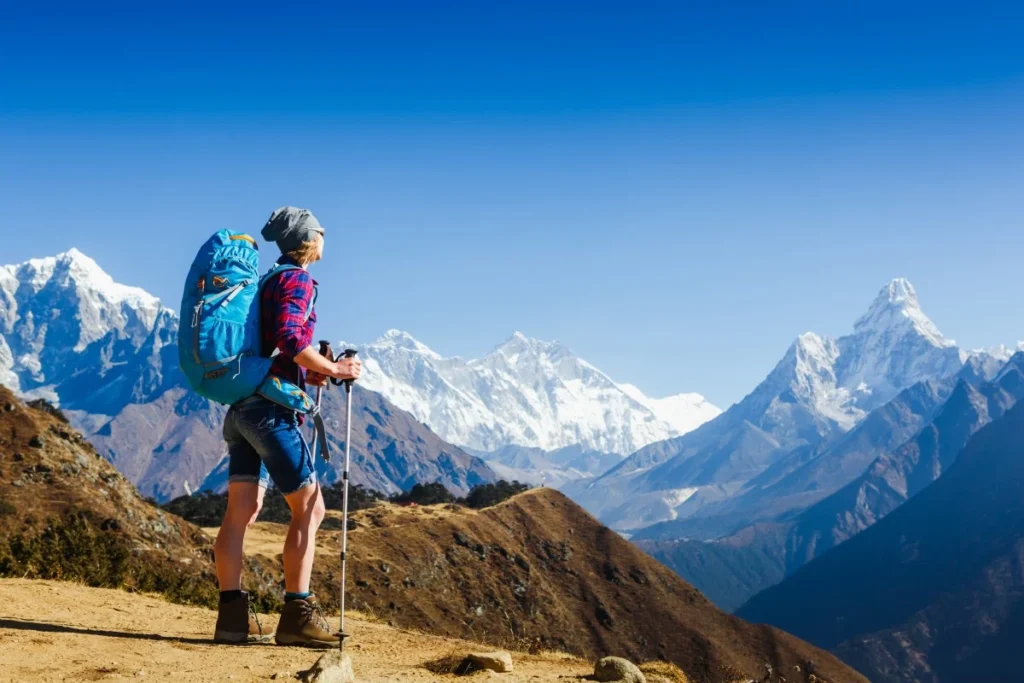
Most people underestimate what “moderate” means at 3,500m. Altitude adds 30–40% effort to any physical activity. For EBC or Annapurna Circuit, you should be comfortable hiking 6–8 hours per day on consecutive days before you go. For Mardi Himal or ABC, 4–5 hours of daily hiking fitness is sufficient. The single most useful training? Stairs. Do them loaded, do them often.
Frequently Asked Questions About Trekking in Nepal
1. What is the easiest trek in Nepal for beginners?
- Mardi Himal is the most beginner-friendly of the major treks — 5–7 days, manageable altitude (max 4,500m), and spectacular views. Ghorepani Poon Hill (3–4 days) is even shorter if you’re very new to trekking.
2. When is the best time to trek in Nepal?
- Autumn (September to November) is widely considered the best season — skies are clear post-monsoon, temperatures are mild, and visibility is at its peak. Spring (March to May) is nearly as good, with rhododendrons in bloom at lower altitudes.
3. Is trekking in Nepal safe?
- Yes, for well-prepared trekkers on established routes. The main risks are altitude sickness (AMS), which is manageable with proper acclimatisation, and weather changes. Trekking with a licensed guide significantly reduces risk.
4. How much does trekking in Nepal cost?
- Budget trekkers spend USD 30–50/day covering teahouse accommodation, meals, guide, and porter. Add flights, permits, gear, and international travel and a 14-day EBC trip typically costs USD 1,500–2,500 all-in from Kathmandu.
5. Which Nepal trek has the best mountain views?
- Everest Base Camp’s Kala Patthar viewpoint (Everest, Lhotse, Nuptse), Annapurna Base Camp’s 360° sanctuary, and Mardi Himal’s close-up of Machapuchare are consistently rated the top viewpoints. Each is remarkable in its own way.
The Right Trek Is the One That Matches Where You Are Right Now
Don’t let the planning become the obstacle. Every trekker I’ve spoken to who did Nepal says the same thing: they wish they’d gone sooner and worried less about picking the “perfect” route. There isn’t one — there are five excellent options above, and any one of them will give you stories you’ll still be telling twenty years from now.
If you have two weeks and solid hiking fitness, do Everest Base Camp or the Annapurna Circuit. If you have 7–10 days, Annapurna Base Camp is hard to beat. If you want to go somewhere few people go, Manaslu. And if this is your first trek anywhere — Mardi Himal. Go there. It’ll ruin you for regular holidays.
1 thought on “The Best Trekking in Nepal – 5 Trails That Will Actually Change You”
Pingback: Top Adventures in Nepal: 10 Best Thrill-Seeking Activities