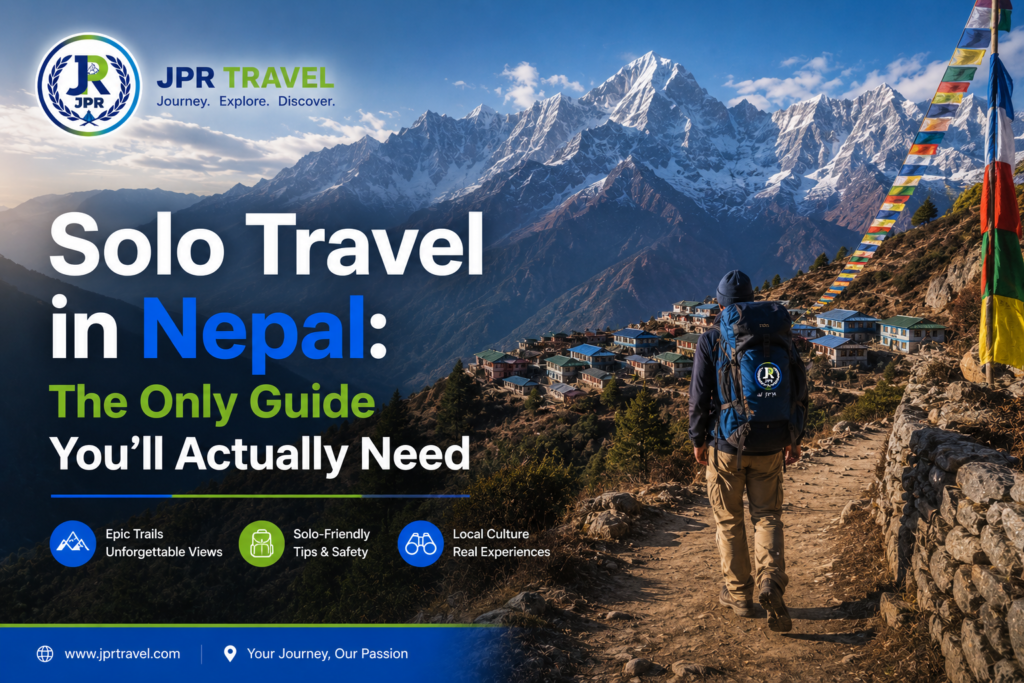
Nobody warned me that Nepal would ruin every other travel destination. That sounds dramatic. It isn’t.
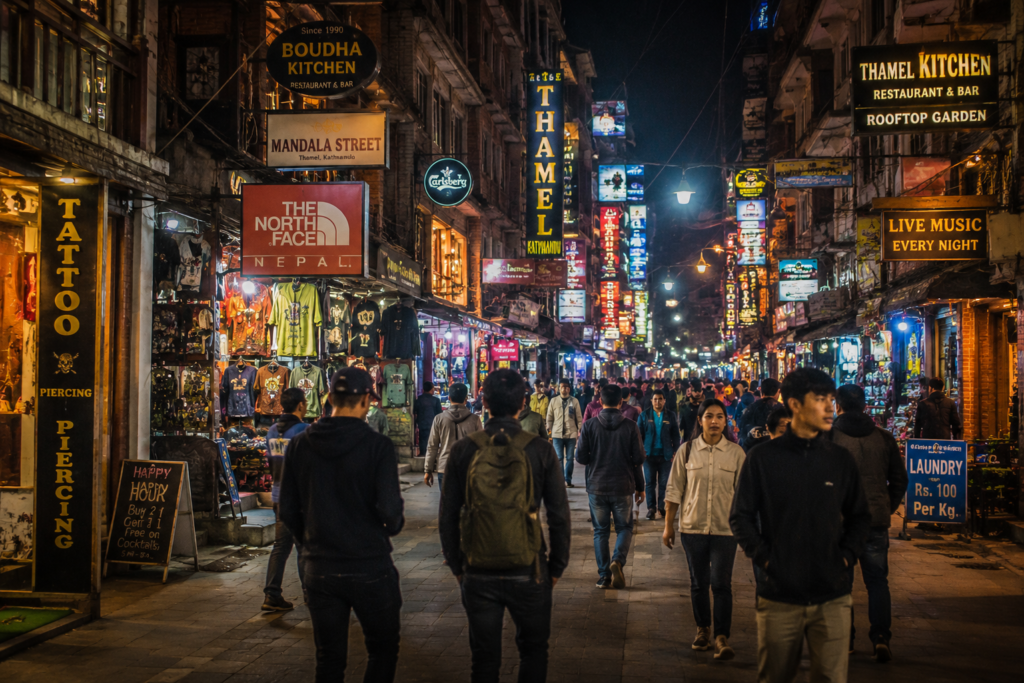
There’s something about showing up alone in Kathmandu — the incense, the horns, the sudden chaos of Thamel at dusk — that strips away the noise you carry from home. Solo travel in Nepal does that. It forces you to be present because the country simply doesn’t allow you to sleepwalk through it.
This guide covers everything: safety for male and female travelers, SIM cards, trekking rules that changed recently, budget breakdowns, the best apps for getting around, water safety on the trails, and the hostels where you’ll actually meet people. Whether you’re planning a 10-day Nepal itinerary or a two-week backpacker loop, the information here is current, practical, and honest.
Let’s get into it.
Is Nepal Safe for Solo Travelers?
Short answer: yes. Genuinely.
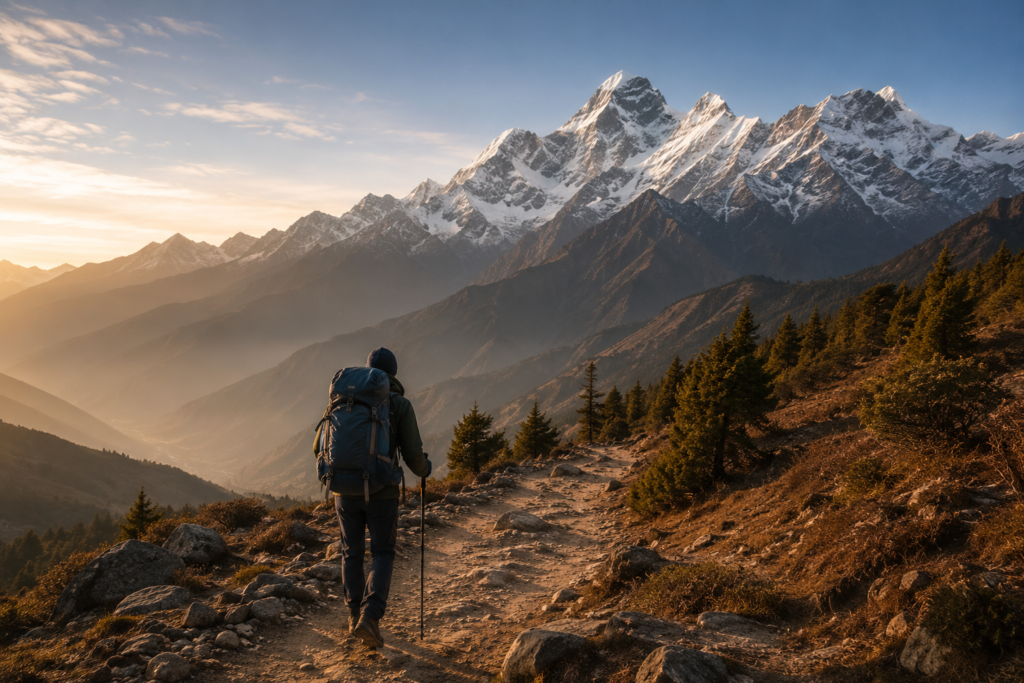
Nepal consistently ranks as one of the safest destinations in Asia for solo travelers, including women traveling alone. Violent crime against tourists is rare. The culture is deeply hospitable — Nepalis have a phrase, atithi devo bhava, which translates loosely to “the guest is god,” and you’ll feel it everywhere from teahouses in Namche to guesthouses in Pokhara.
That said, “safe” doesn’t mean “worry-free.” It means understanding where the actual risks live.
For solo female travelers in Nepal, the risks are mostly social rather than physical. Unwanted attention in Thamel is real, especially after dark. Walking alone in quieter alleys late at night isn’t something most women recommend. But trekking trails? Village homestays? Lakeside Pokhara? Hundreds of women trek solo through Nepal every season without incident.
For solo male travelers, the safety profile is slightly different but the same core advice applies: don’t flash expensive gear, stay alert in crowded bazaars, and trust your read on a situation.
Thamel at Night -What Actually Happens
Thamel is lively, loud, and genuinely enjoyable at night. The streets are packed with tourists, trekking shops, and rooftop restaurants. Solo Thamel walking at night is fine if you stay on the main drag. The side streets that look like shortcuts? Avoid those after 10pm regardless of your gender. Stick to lit areas, and if someone approaches with an offer that sounds too convenient, it usually is.
Getting a SIM Card in Nepal: Ncell vs NTC
Your first practical task after landing at Tribhuvan International Airport is getting a Nepali SIM card. Do it at the airport. It takes about 15 minutes and it’s the easiest version of the process you’ll encounter.
Both major carriers — Ncell and NTC (Nepal Telecom) — have counters inside the arrivals hall. Bring your passport and one passport-sized photo (some counters provide instant photos for a small fee if you forgot).
Ncell is the go-to for most international travelers. Coverage is stronger in urban areas and popular trekking corridors like the Annapurna and Everest regions. Data packages are straightforward and reasonably priced — a 15GB data pack costs roughly NPR 400–500 (around $3 USD).
NTC has better coverage in remote areas and some high-altitude zones where Ncell signal drops. Serious trekkers heading into less-visited regions sometimes carry both.
Buying a Nepal SIM card alone at the airport is genuinely easy. You don’t need a guide, a fixer, or a local contact. Just join the queue, hand over your passport, choose a data pack, and you’re connected within minutes.
One thing worth knowing: data connectivity in Nepal for solo travelers is patchy above certain altitudes. Don’t count on Google Maps or WhatsApp working reliably above 3,500m on trails. Download offline maps (Maps.me or Google Maps offline) before you leave Kathmandu or Pokhara.
Nepal Visa on Arrival: What Solo Travelers Need to Know
Most nationalities can get a Nepal visa on arrival at Tribhuvan International Airport. The process is straightforward but the queues can be long — sometimes 90 minutes during peak season (October to November and March to April).
Current Nepal visa on arrival fees:
- 15 days: USD $30
- 30 days: USD $50
- 90 days: USD $125
You’ll need a passport photo (there are machines near the queue), the completed arrival form, and USD cash or a card. The online pre-registration system at the Nepal Department of Immigration speeds things up slightly — worth doing from your hotel the night before you fly.
Solo travelers don’t need any additional documentation beyond what every other tourist needs. There’s no requirement to show onward tickets or proof of accommodation, though immigration officers occasionally ask. Having a hotel booking for your first night in Kathmandu on your phone is enough.
The Real Cost of Solo Travel in Nepal Per Day
Nepal is genuinely affordable, but it’s not as dirt-cheap as some budget guides make it sound — especially once trekking permits and guide fees enter the picture.
Here’s an honest daily budget breakdown:
Budget backpacker (Kathmandu/Pokhara city): NPR 2,500 – 3,500/day (~$18–25 USD) This covers a dorm bed in a social hostel, dal bhat twice a day (the smartest budget trick in Nepal — unlimited refills at most teahouses for a fixed price), local buses, and entry fees.
Mid-range solo traveler: NPR 5,000 – 8,000/day (~$37–60 USD) Private rooms, sit-down restaurant meals, occasional taxi or Pathao rides, and some tourist activities.
On trek (teahouse accommodation): NPR 3,000 – 5,000/day (~$22–37 USD) excluding permits and guide fees. Teahouse rooms on popular routes like the Annapurna or EBC corridor are often cheap or subsidized — the business model depends on you buying meals there. Eat at the teahouse where you sleep. It’s expected, and it keeps prices honest.
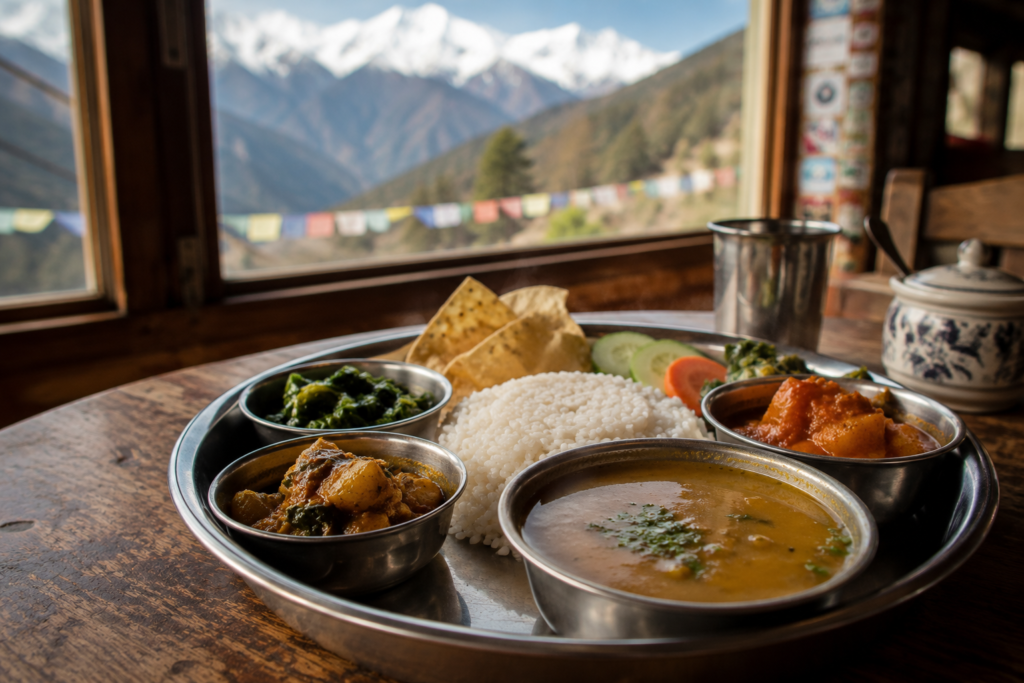
The dal bhat budget trick deserves its own paragraph. Dal bhat — lentil soup, rice, curried vegetables, and usually a side of pickle and spinach — comes with free unlimited refills in most teahouses and local restaurants. It’s filling, nutritious, and costs NPR 200–400 in local spots. Serious trekkers eat it twice a day and barely spend anything on food.
Getting Around: Pathao, InDrive, and Local Transport
Pathao and InDrive are the two ride-sharing apps that actually work in Nepal for solo tourists. Download both before you arrive — they’ll save you from negotiating with overpriced taxi drivers every time you need to get somewhere.
Pathao operates as both a motorbike taxi and a car service. It’s fast, cheap, and excellent for short Kathmandu hops (NPR 100–200 for most Thamel-area rides). InDrive works on a bidding model where you name your price and drivers accept or counter — useful for longer journeys.
For the tourist bus from Kathmandu to Pokhara, the road distance is roughly 200km but the journey takes 6–8 hours due to winding mountain roads. Tourist buses (Greenline being the most popular) cost around NPR 2,000 and include a meal stop. Local buses are significantly cheaper but less comfortable and have a worse safety record on mountain roads. For solo travelers, especially on night journeys, the tourist bus is the right call.
Local buses within cities are extremely cheap (NPR 15–25 for most routes) and fine for daytime use. The destination is usually shouted out the window — just ask someone which bus goes where you’re headed. People are happy to help.
Trekking Solo in Nepal: The Guide Rules You Need to Know
This is the section where a lot of older blog posts get things wrong, so pay attention.
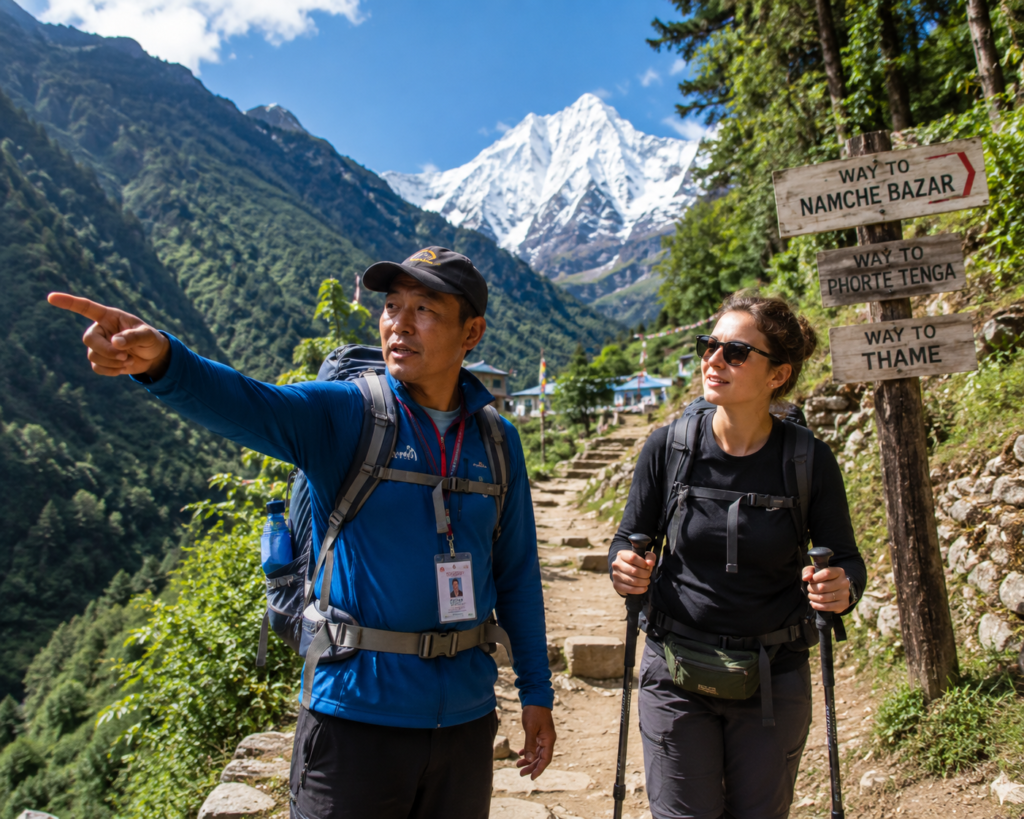
From April 2023, Nepal made trekking guides mandatory in most restricted and TIMS-required areas. This includes the Annapurna Circuit, Annapurna Base Camp, Everest Base Camp, Langtang Valley, and several other popular routes.
The mandatory trekking guide rule was introduced primarily for safety reasons — solo trekkers were getting into difficulty in remote areas with no support network. The rule is enforced at checkpoints. If you arrive at an ACAP or TIMS checkpoint without a licensed guide in a restricted area, you won’t be allowed to proceed.
Can you trek solo in Nepal without a guide? Yes — on trails that don’t fall under the restricted area rules. Poon Hill (Ghorepani) is a popular example: you can still do this trek independently with just a TIMS card and ACAP permit. But confirm current rules before you go, because regulations do change.
How much does a trekking guide cost in Nepal per day? A licensed trekking guide costs roughly USD $25–45 per day depending on experience and the trek. A porter (who carries your bag, not leads the route) costs around USD $15–25/day. Many solo travelers hire both — your back will thank you above 4,000m.
Finding a licensed trekking guide in Kathmandu is straightforward. The government-issued license has a number you can verify. Avoid touts near Thamel who approach you unprompted. Go through a registered agency or your hostel’s recommendations.
Solo Trekking Safety: AMS, Water, and Emergency Tracking
Acute Mountain Sickness (AMS) is the real safety risk on high-altitude treks — not crime, not wildlife. It can affect anyone regardless of age or fitness level. The standard prevention rule is “climb high, sleep low” and never ascend more than 300–500m per day above 3,000m.
Symptoms to know: persistent headache, nausea, loss of appetite, dizziness, and fatigue that doesn’t improve with rest. If symptoms appear, descend. Do not push through AMS symptoms hoping they’ll resolve at altitude. They rarely do.
Solo trekker emergency tracking devices are worth considering for remote routes. A Garmin inReach Mini allows two-way satellite messaging and SOS regardless of cell coverage. It’s not essential on the popular Annapurna or EBC corridor where teahouses are densely spaced, but for less-traveled routes like Upper Mustang or Dolpo, it’s genuine peace of mind.
How to treat drinking water while trekking alone:
This comes up constantly and the answers online are all over the place. Here’s the practical reality from the trails:
Tap water and stream water in Nepal are not safe to drink untreated. Your options:
- Boiling — available at every teahouse for a small fee or for free if you’re staying there. Completely safe.
- Chemical treatment — iodine or chlorine tablets work but leave a taste. Fine for emergencies.
- SteriPen (UV purifier) — fast and effective for clear water. Doesn’t work well in turbid/cloudy water.
- Sawyer Squeeze or Katadyn filter — best all-around option for solo trekkers. Filters bacteria and protozoa from any water source.
Buying bottled water on trek contributes significantly to plastic waste in some of the world’s most pristine ecosystems. The teahouse boiling option or a good filter is the better choice in every direction.
Trekking Routes for Solo Travelers: What Each One Involves
Everest Base Camp Trek — Solo Considerations
The EBC trek is one of the most well-supported routes in the world. Teahouses run the entire length, emergency helicopter evacuation is available, and fellow trekkers are never far away. But it’s physically demanding — 12–14 days, max elevation 5,545m, and cumulative altitude gain that humbles people who’ve run marathons.
Can a solo female trek to Everest Base Camp alone? Yes, and many do every season. The trail is busy, the teahouse owners are used to solo female guests, and there’s a strong community among trekkers on the route. Standard safety awareness applies, but this isn’t a wilderness situation.
Travel insurance for a solo Nepal trip isn’t optional if you’re doing EBC. Solo traveler medical evacuation insurance Nepal needs to cover helicopter rescue up to 6,000m — check the fine print. Standard travel policies often don’t. World Nomads and True Traveller are commonly used options that explicitly cover high-altitude trekking.
Annapurna Circuit Solo Guide
The Annapurna Circuit is 160–230km depending on the route variation. You’ll cross Thorong La Pass at 5,416m — the highest point and the section that filters out people who haven’t acclimatized properly.
Under current mandatory guide rules, you need a licensed guide for the full circuit. Teahouse accommodation on the Annapurna Circuit is densely available — you won’t need to camp. The single room supplement at Nepal teahouses can add NPR 200–500/night in peak season, but many teahouses still offer standard pricing for solo guests.
Poon Hill Trek for Solo Travelers
The Ghorepani Poon Hill route remains one of the few popular treks you can still do independently as of current rules. It’s 4–5 days, peaks at 3,210m (manageable acclimatization), and offers some of the most photographed sunrise views in Nepal — the Dhaulagiri and Annapurna massifs lined up against an orange sky.
The Poon Hill trek solo budget: around USD $150–250 total for permits, accommodation, and food over 4–5 days, not including transport from Pokhara to the trailhead at Nayapul.
Langtang Valley Solo Trekking
Langtang is closer to Kathmandu than the Annapurna or Everest regions and sees fewer tourists — which is both its appeal and something to factor into your safety planning. Mandatory guide rules apply here too. The 2015 earthquake caused a massive landslide that destroyed Langtang village; the community has rebuilt but the trail terrain reflects that history.
Where to Stay and Meet Other Solo Travelers
The single most common complaint from solo travelers in Nepal isn’t safety or logistics. It’s loneliness — arriving somewhere beautiful and having no one to share it with.
The hostel scene solves this completely. Social hostels in Nepal with communal dining are genuinely one of the best parts of the solo travel experience here.
Best hostels in Thamel for solo travelers: Look for hostels with rooftop common areas, communal breakfast, and board walk bulletin boards for trekking partner matchups. Alobar1000 (Kathmandu) is the most famous social hostel in Nepal and has practically become its own institution — 24-hour common areas, regular social events, and a notice board where people post trekking partner requests daily.
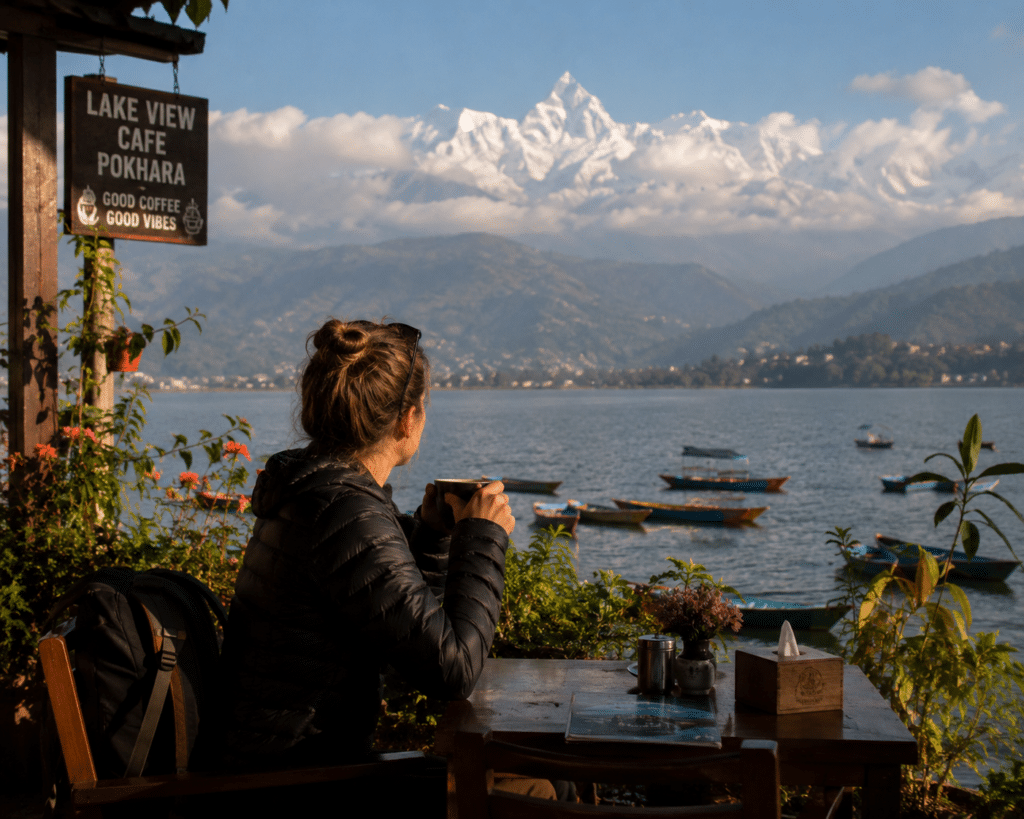
Pokhara hostels for meeting solo travelers: Lakeside Pokhara is built for solo travelers. The strip along Fewa Lake has hostels, paragliding operators, and restaurant terraces where you’ll be in conversation with other travelers within about ten minutes of arrival. Pokhara’s lower altitude and more relaxed pace makes it a natural decompression spot between treks.
Chitwan solo traveler hostel packages: For wildlife, Chitwan National Park in the lowland Terai is worth two or three days. Several budget packages exist for singles that bundle accommodation, safari, and meals — typically USD $60–100 for a two-night package. Safari jeep rides and elephant-spotting walks are much more enjoyable in a small group, and most operators mix solo travelers together.
How to Find a Trekking Partner in Kathmandu
You don’t have to trek alone if you don’t want to. Finding a trekking partner in Kathmandu takes about 48 hours if you know where to look.
The Alobar1000 bulletin board is the most reliable starting point. Notice boards at popular Thamel cafés (The Northfield Café is a classic spot) also carry partner requests. Online, the r/solotravel and r/Nepal subreddits have active trekking partner threads during peak season. Facebook groups like “Nepal Trekking Partners” exist specifically for this.
Most solo travelers who trek “alone” end up walking with someone they met in a teahouse on day two anyway. The trail has its own social gravity.
Nepal Food Safety for Solo Travelers
Nepal has a low but real incidence of traveler’s stomach issues. The most common culprits are salad washed in tap water, undercooked meat in low-turnover restaurants, and ice made from unboiled water.
Practical rules that actually work:
- Eat where locals eat. High table turnover means fresher food.
- Dal bhat from a local kitchen is almost always safe — it’s cooked to order and fully heated through.
- Avoid raw vegetables unless you’re at a reputable restaurant catering to international guests.
- Never use ice in drinks unless you know it’s from filtered water.
- Street food scams in Kathmandu are more financial than sanitary — someone pointing you to an overpriced “cousin’s restaurant” is the more common issue than food poisoning from street stalls.
How to avoid street food scams in Kathmandu: The classic move is a friendly approach on the street followed by a restaurant recommendation. The meal arrives, the prices are triple what they should be. Avoid this by eating where you can see a menu price list posted visibly before you sit down. If there’s no menu, ask before ordering.
Cultural Etiquette and Dress Code in Nepal
Nepal is a Hindu and Buddhist country and dress code matters in ways that affect both how you’re treated and whether you’ll be allowed entry to temples and monasteries.
Basics that matter: Shoulders and knees should be covered when entering any religious site. Most temples sell cheap cloth wraps at the entrance if you arrive underdressed. Removing shoes before entering temples and homes is standard and will always be signaled by footwear outside the door.
Is it weird to travel solo in Nepal? Not in the slightest. Nepal has a long culture of solo pilgrimage routes and is very accustomed to solo international visitors. You’ll never be made to feel odd for eating alone in Kathmandu restaurants or traveling without a companion. That said, joining a group — whether a hostel dinner or a shared teahouse table — is almost always on offer if you want it.
Best Month for Solo Travel in Nepal
Nepal has two peak trekking seasons:
October to November (post-monsoon): Clear skies, freshly washed mountain views, excellent trail conditions. This is the most popular window and trails can feel busy on the main routes.
March to April (pre-monsoon): Rhododendron forests in bloom, stable weather, slightly fewer crowds than October. Excellent photography conditions.
December to February: Cold at altitude but possible on lower routes like Poon Hill. Fewer tourists, cheaper accommodation, and a genuine sense of having the mountains to yourself on some trails.
June to September (monsoon): Trails can be slippery, leeches are active in lower elevations, and mountain views are frequently obscured. Not recommended for first-time solo trekkers.
FAQ: Solo Travel in Nepal
Is Nepal safe for solo female travelers? Yes. Nepal is generally safe for solo female travelers, particularly on established trekking routes and in tourist hubs like Thamel and Pokhara Lakeside. Standard awareness practices apply — avoid unlit streets late at night, keep your accommodation location private from strangers, and trust your instincts. The trekking community is tight-knit and supportive.
Can I get a Nepal visa on arrival as a solo traveler? Yes. Most nationalities receive a visa on arrival at Tribhuvan International Airport in Kathmandu. A 30-day visa costs USD $50. Pre-registering online at the Nepal Department of Immigration website before your flight shortens the airport queue.
Can you trek solo in Nepal without a guide? Some shorter trails like Poon Hill can still be completed independently. Most major routes including the Annapurna Circuit, Langtang, and Everest Base Camp now require a licensed guide following the 2023 regulation change. Always check current rules with a registered trekking agency before planning your itinerary.
Do I need travel insurance for a solo trip to Nepal? Yes, and specifically you need insurance that covers high-altitude helicopter evacuation if you’re trekking. Standard backpacker policies often exclude altitude over 3,000m or 4,000m. Verify the altitude ceiling explicitly before buying.
What is the best month for solo travel in Nepal? October and November offer the clearest skies and best mountain visibility. March to April is a close second with rhododendron blooms across the Annapurna foothills. Both are ideal for solo trekkers.
How do I meet other solo travelers in Nepal? Social hostels like Alobar1000 in Kathmandu, communal teahouses on trekking routes, and hostel bulletin boards for trekking partner requests are the most reliable ways. The solo traveler community in Nepal is active and welcoming.
Ready to Plan Your Solo Nepal Trip?
Nepal rewards the traveler who does a bit of homework — not to squeeze out risk entirely (that’s impossible and not the point), but to arrive prepared enough to say yes to everything the country throws at you.
If you’re looking for support planning your solo Nepal itinerary — whether that’s a 10-day first trip or a full two-week backpacker circuit — JPR Travel Agency offers trekking packages, domestic flight booking, and Nepal tour planning services that take the logistics off your plate without removing the adventure.
Check out the best trekking routes in Nepal if you’re still deciding which trail to take, or explore the easiest trek in Nepalif you’re a first-timer.
Nepal is waiting. You don’t need a group to go.