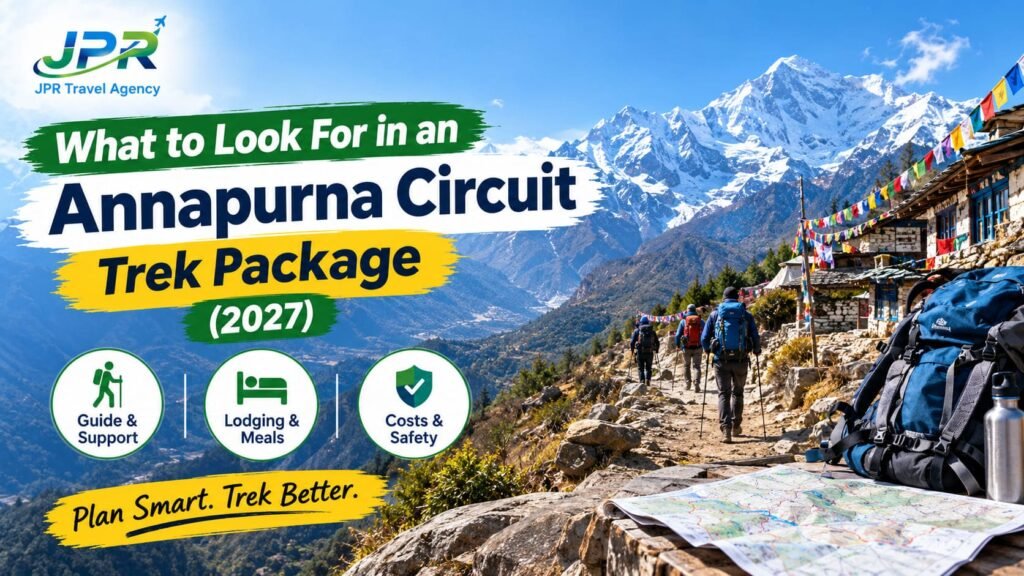
Choosing the right annapurna circuit trek package directly shapes the organisation, comfort, and safety of your time in the Himalayas. Travellers planning for 2027 generally weigh two approaches: managing logistics independently where regulations permit, or booking through an established trekking agency that coordinates guides, permits, transport, and accommodation. Because a package is not automatically the right choice for every trekker, its real value depends on what is included in writing, the qualifications of your guide, the operator’s local experience, and the level of on-trail support provided.
Independent Trekking vs. Booking an Annapurna Circuit Trek Package
Whether you search for the classic annapurna circuit or use alternative phrasing like circuit annapurna trek while comparing options, understanding how self-arranged logistics compare with agency-managed trips helps you choose the right approach for your experience level.
Trekking Independently
Planning an independent trek requires managing every practical detail before and during the journey:
- Verifying current regulations and permits: Under Nepal Tourism Board (NTB) directives introduced in recent years, foreign trekkers in conservation areas are required to trek with a licensed guide and obtain an electronic Trekkers’ Information Management System (TIMS) card through a registered agency, alongside the Annapurna Conservation Area Permit (ACAP). Because enforcement between national authorities and local rural municipalities has occasionally varied, travellers should never assume past independent trekking rules apply in 2027 without verifying current official requirements.
- Arranging transport and daily stages: You must coordinate buses or private jeeps to the trailhead, map out safe acclimatisation stages, and carry or arrange your own gear.
- Securing food and lodging: Independent trekkers negotiate teahouse accommodation and meals directly upon arrival in each village.
- Handling disruptions: If landslides, snowfalls, transport strikes, or altitude symptoms occur, you are responsible for finding reliable local information and adjusting your route.
While managing your own arrangements offers flexibility over daily pacing, it demands thorough preparation and strict compliance with current Nepalese trekking laws.
Booking Through a Trekking Agency
 Booking a Nepal trekking package through a registered operator transfers day-to-day coordination to a local team. Depending on your written agreement, an agency typically handles:
- Route planning and pacing: Designing an itinerary with appropriate elevation gains and rest days, such as those outlined on our main Annapurna Circuit Trek route and itinerary page.
- Permit administration: Arranging your ACAP entry fee (issued via the National Trust for Nature Conservation and NTB) and required TIMS registration.
- Qualified trail staff: Providing a government-licensed guide and, where selected, porters to carry main luggage.
- Transport and lodging coordination: Booking trailhead transfers and communicating ahead with teahouses along the route.
- On-trail problem solving: Adjusting bookings and transport if weather or health issues delay your schedule.
Because inclusions vary widely across operators, travellers should always review the exact service list in writing before booking.
What Should a Good Annapurna Circuit Trek Package Include?
When comparing organised Nepal trekking packages, look past the headline price and examine five core service areas.
Experienced and Qualified Trekking Guide
A knowledgeable local guide adds cultural depth, monitors trail conditions, and manages daily logistics. Before committing, confirm that your guide holds a valid government trekking licence, has recent experience crossing Thorong La Pass (5,416 m), communicates clearly in your preferred language, and carries wilderness first-aid training. While a qualified guide improves decision-making on the trail, no guide can eliminate environmental or altitude risks entirely.
Accommodation and Teahouse Arrangements
Along the trail, travellers stay in locally run mountain lodges known as teahouses. A transparent operator will explain what standard of lodging to expect at different altitudes—such as twin-share rooms with attached bathrooms in lower valleys versus basic rooms with shared facilities at higher elevations like Thorong Phedi or High Camp. Ask whether the agency pre-books rooms during the busy spring and autumn seasons and what contingency plan applies if a village lodge is full. Be cautious of operators promising guaranteed luxury beds in every high-altitude settlement, as availability depends on season, group size, and local conditions.
Transportation and Route Logistics
Road access in the Annapurna region continues to evolve. Confirm whether your package includes private jeep transfers or public buses between Kathmandu or Pokhara and the starting point (such as Chame or Dharapani), as well as return transport from Muktinath or Jomsom. Check whether pre- and post-trek hotel nights in Kathmandu or Pokhara are included and who covers extra transport costs if weather or roadworks force a route change.
Meals, Permits, and Porter Services
Most full-board packages include three daily meals (breakfast, lunch, and dinner) at teahouses, while bottled water, boiled water, hot showers, Wi-Fi, device charging, alcoholic drinks, and snacks are excluded. Verify that both the ACAP permit and TIMS fee are included in the quote. If porter support is part of your package, check the porter-to-trekker ratio, strict luggage weight limits (typically 10–15 kg per trekker), and confirm that staff insurance, equipment, and fair wages are provided. Staff tips are almost always paid separately at the end of the trek.
Safety and Emergency Support
Crossing high mountain passes requires clear safety protocols. Responsible operators brief trekkers on pacing, hydration, and recognising early signs of acute mountain sickness—topics you can review in our high-altitude sickness prevention guide. Confirm whether guides carry a first-aid kit and pulse oximeter, how communication is maintained in areas with weak mobile coverage, and how the office coordinates helicopter evacuation if severe illness occurs. Because no agency can prevent altitude illness or control Himalayan weather, every trekker must carry comprehensive travel insurance covering high-altitude trekking up to at least 5,500 metres and emergency medical evacuation.
Why Book an Annapurna Circuit Trek Package in 2027?
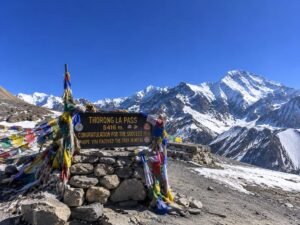 When delivered by a reputable company, a guided Annapurna Circuit Trek provides clear practical advantages:
- Reduced administrative stress: Permits, transport connections, and lodge requests are coordinated before you arrive.
- Local insight: Experienced guides navigate side trails away from dusty road sections and introduce local Gurung, Manangi, and Thakali traditions.
- Peak-season coordination: Advance communication with teahouse owners improves room allocation during busy months, even where absolute guarantees are impractical.
- Structured safety response: Having a licensed guide and a 24-hour local office contact ensures faster coordination if someone falls ill or trails close due to snow.
- Streamlined group logistics: Families and small groups travel smoothly without debating daily transport or lodging rates.
These benefits depend entirely on the reliability and honesty of the operator you select.
How to Choose the Right Annapurna Circuit Trek Operator
As you compare routes across the best trekking destinations in Nepal, use a structured checklist to evaluate any Annapurna trekking agency. For deeper advice on vetting credentials, read our guide on how to choose a reliable travel agency in Nepal.
- Verify company registration with the Government of Nepal, NTB, and TAAN.
- Request a realistic day-by-day itinerary with proper acclimatisation in Manang.
- Obtain a written list of exact inclusions, exclusions, and optional upgrades.
- Confirm guide licensing, porter weight limits, and staff welfare standards.
- Check maximum group size and room-sharing policies.
- Read cancellation, refund, and itinerary-modification terms carefully.
- Avoid unusually cheap packages that omit permit fees, transport segments, or fair staff insurance.
Questions to Ask Before Booking
Before paying a deposit for Annapurna trekking services, ask the operator these seven questions:
- Are ACAP and TIMS permits fully included in the quoted price?
- Is our trekking guide government-licensed and experienced on the Annapurna Circuit?
- How are teahouse accommodations arranged during peak season, and when are rooms shared?
- Which exact transport segments (private jeep, local bus, or domestic flight) and meals are covered?
- How are extra costs handled if weather or road blocks delay the itinerary?
- What emergency communication and evacuation coordination procedures do you follow?
- Which expenses—such as tips, travel insurance, hot showers, and drinks—are excluded?
A trustworthy agency will answer every question clearly in writing before requesting payment.
Is an Organised Annapurna Circuit Trek Package Worth It?
For experienced Himalayan trekkers who understand current permit rules and enjoy managing daily logistics alongside a hired guide, a tailored arrangement can work well. For first-time visitors to Nepal, solo travellers seeking companionship, or anyone wanting seamless coordination from arrival to departure, a well-structured package offers strong peace of mind.
If you are planning your 2027 trek and want transparent advice on inclusions, pacing, and logistics, explore our Annapurna Circuit Trek arrangements or contact the JPR Travel team to discuss a package suited to your goals.
5. Frequently Asked Questions
1. What is included in an Annapurna Circuit Trek package?
Most comprehensive packages include a licensed trekking guide, required permits (ACAP and TIMS), standard teahouse accommodation during the trek, three daily meals on the trail, and ground transportation between Kathmandu or Pokhara and the trailheads. Porter services, city hotels, and private jeep upgrades depend on the specific operator and package tier.
2. Is it better to trek the Annapurna Circuit independently or with an agency?
Booking with an agency is generally better for first-time visitors and travellers who want permits, transport, teahouses, and safety logistics managed professionally. More independent-minded trekkers may prefer arranging transport and lodges day by day, provided they comply with current Nepal Tourism Board guide and registration rules.
3. Do Annapurna Circuit Trek packages include permits?
Reputable packages include both the Annapurna Conservation Area Permit (ACAP) and the Trekkers’ Information Management System (TIMS) card. However, budget or guide-only quotes sometimes exclude official fees, so always confirm permit inclusions in writing before booking.
4. Are teahouse accommodations arranged in advance?
Established agencies typically coordinate with partner teahouses in advance to reserve rooms, which is especially helpful during the busy spring and autumn seasons. However, because high-altitude lodges have limited capacity and weather can shift schedules, operators should explain their contingency plans rather than promise guaranteed private rooms in every village.
5. Do I need a guide for the Annapurna Circuit Trek?
Under Nepal Tourism Board regulations introduced for conservation areas, foreign trekkers are required to trek with a licensed guide and obtain a TIMS card through a registered agency. Because local checkpoint enforcement can vary, travellers planning for 2027 should verify the latest official directives before departure.
6. Does a trekking package include emergency evacuation?
A responsible trekking agency coordinates emergency rescue and communication with helicopter providers if you become seriously ill or injured, but the physical cost of evacuation and medical treatment is not included in standard package prices. You must carry personal travel insurance covering high-altitude trekking and helicopter rescue.
7. What should I check before booking an Annapurna Circuit Trek package?
Before paying a deposit, check the agency’s government registration, written inclusions and exclusions, acclimatisation schedule, guide qualifications, porter weight limits, transport type (private jeep vs local bus), and cancellation policies.